The Melbourne Athenaeum Library will be closed on Saturday April 25 for the ANZAC Day public holiday.
The library will be open regular hours on Friday April 24 and Monday April 27.
In 1835 European settlers arrived at Port Phillip and just a year later the district’s first census recorded a European population of 142 men, 35 women, 26,500 sheep, 57 horses and 13 buildings. Soon after the settlers arrived they were followed by the merchants and ‘mechanics’ (builders, stonemasons, carpenters, tilers and other workmen). These trades were represented by the newly-formed Melbourne Union Benefit Society which initiated the establishment of a mechanics’ institute to provide opportunities for education and self-improvement. The institution’s first home was located in rented premises on the corner of Bourke and Queen streets.
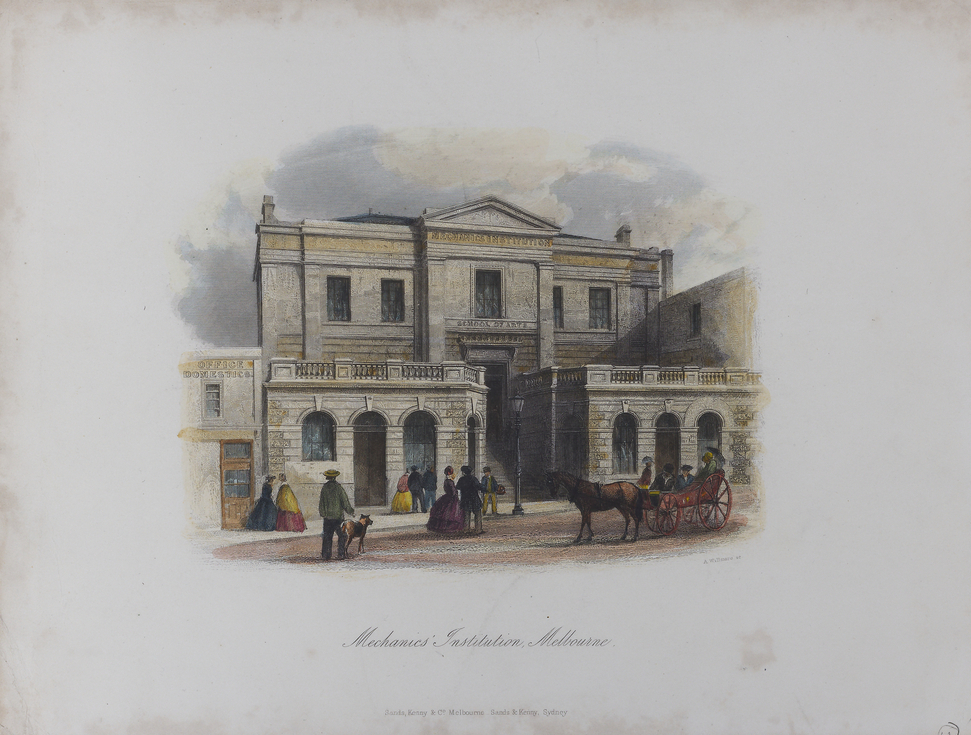
In 1840, two allotments of Crown land fronting Collins Street and extending to Little Collins Street were purchased at a government land sale for £285. One of the allotments was sold at auction for a generous profit. These funds, together with donations from groups such as the Debating Society and the Masonic Lodge as well as the securing of a mortgage raised sufficient funds to construct a two-storey, Georgian- style, rendered brick building, completed in 1842.
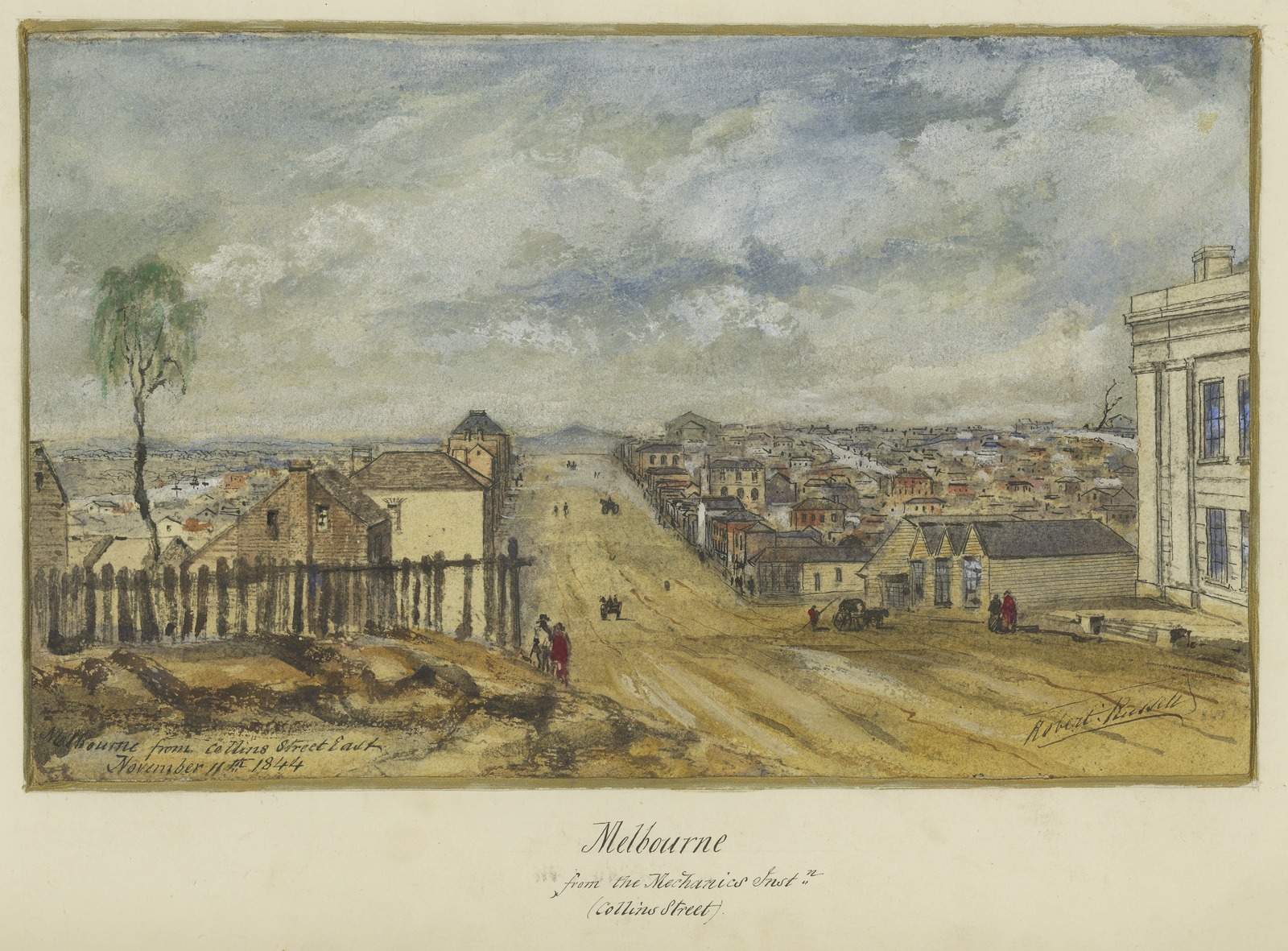
Edmund Finn, a major contributor to chronicling Melbourne’s 19th century history under the pseudonym Garryowen, wrote: “It was a substantial two-story brick building … some feet from and above street level. It was reached by several steps, and during the winter season the footway and street approaches were in a terrible state of mud and puddle.” It was set back from the footpath, with a green lawn and cast-iron picket fence. In those days Collins Street was a muddy road with trees and tree stumps that made it dangerous to travellers at night, even those with a sturdy carriage and reliable horses.
The building housed a library and reading room on the ground floor and on the first level was a large hall which became a central meeting place and cultural hub for the Port Phillip District. The hall was also used for meetings of the Melbourne City Corporation (now the City of Melbourne) and the Town Clerk resided in the building until the Melbourne Town Hall was constructed in 1852.
The occupation of the new premises was not without its problems. The institution had to obtain an ejectment order to remove the builders and their families who had taken up residence, and a special constable had to be placed in the building to protect it from fire and suppress any disturbance.
In the 1850s renovations were completed on the front of the building with two single-storey wings added to the façade. Gas lighting was also installed, greatly improving reading conditions in the library. This also reduced the institution’s costs in replacing the 60 pounds of candles that were being used every three months in the reading room alone.
During the 1850s and 1860s, the institution cemented its role as one of Melbourne’s most significant public cultural institutions. The upstairs hall hosted meetings of the Philosophical Institute to discuss inland exploration. The eventual outcome of these discussions was the ill-fated Burke and Wills expedition. Other events that took place in the hall included the first performance of Handel’s Messiah in Victoria by the Philharmonic Society (now the Royal Melbourne Philharmonic) and a public soiree for philanthropist and humanitarian Caroline Chisholm, who spoke about the social conditions on the Victorian goldfields.
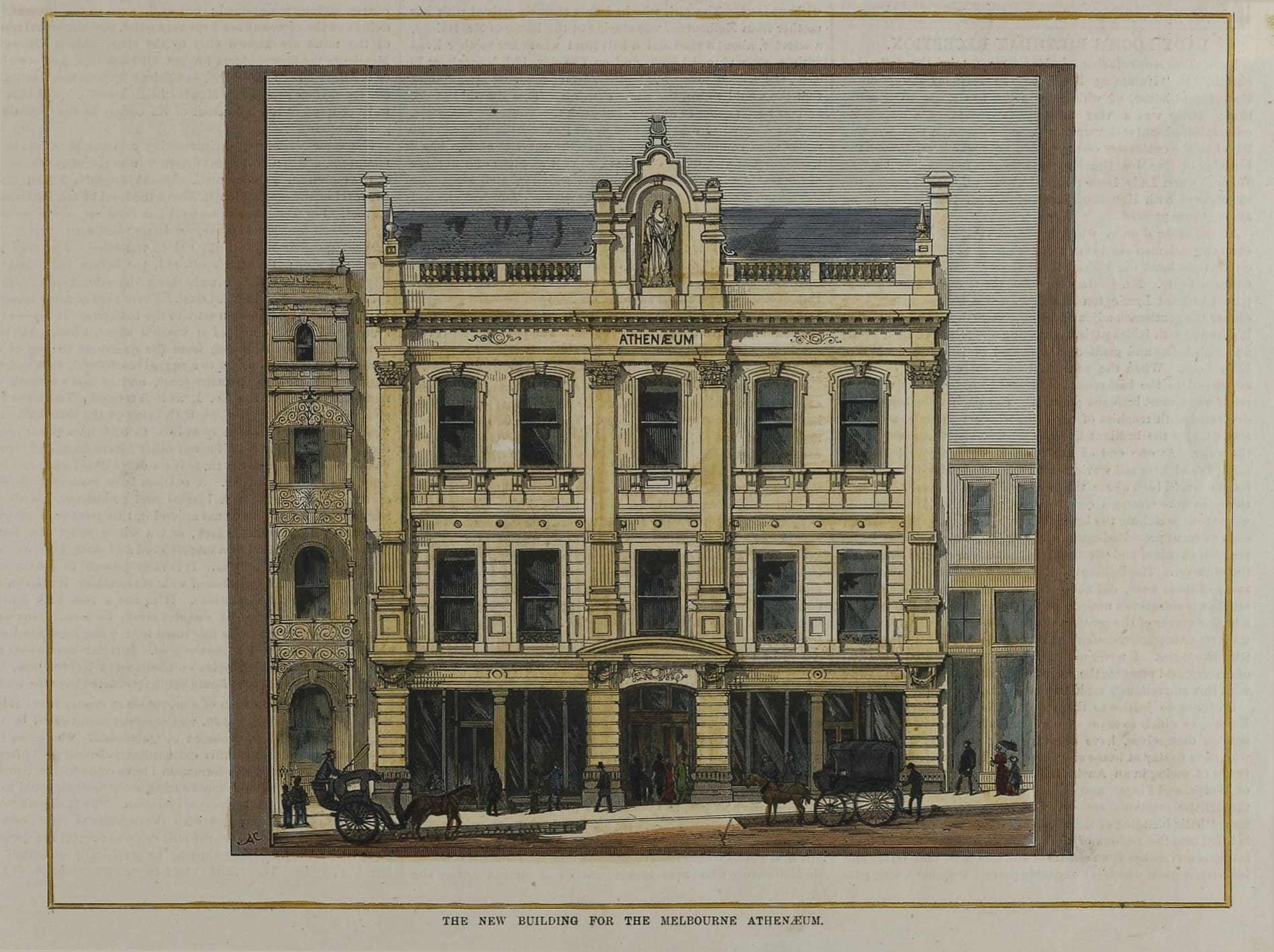
In 1872 the institute underwent a major expansion. The library and reading room were relocated to the first floor and new facilities in the form of a dedicated ladies reading room and smoking room were added.
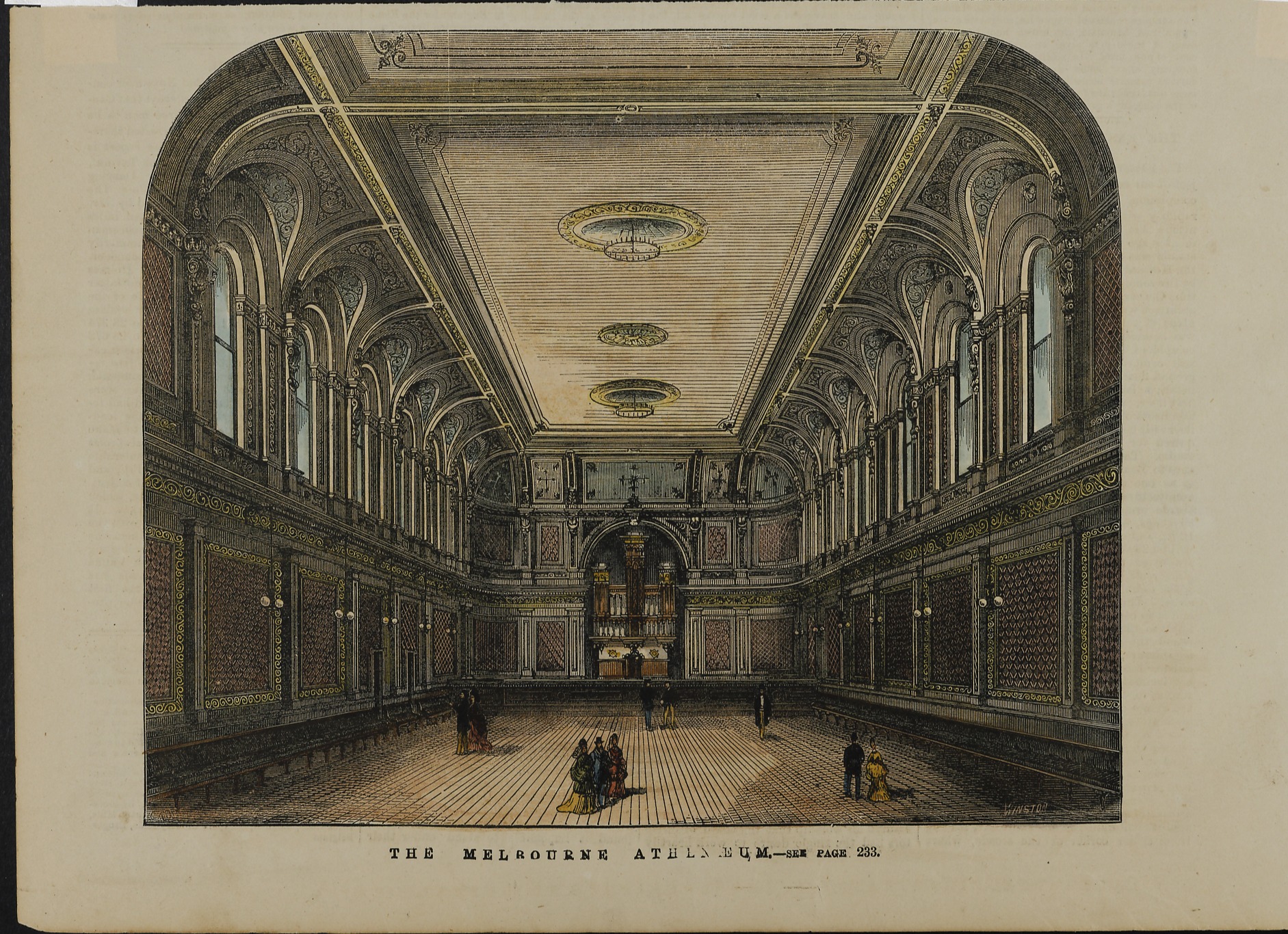
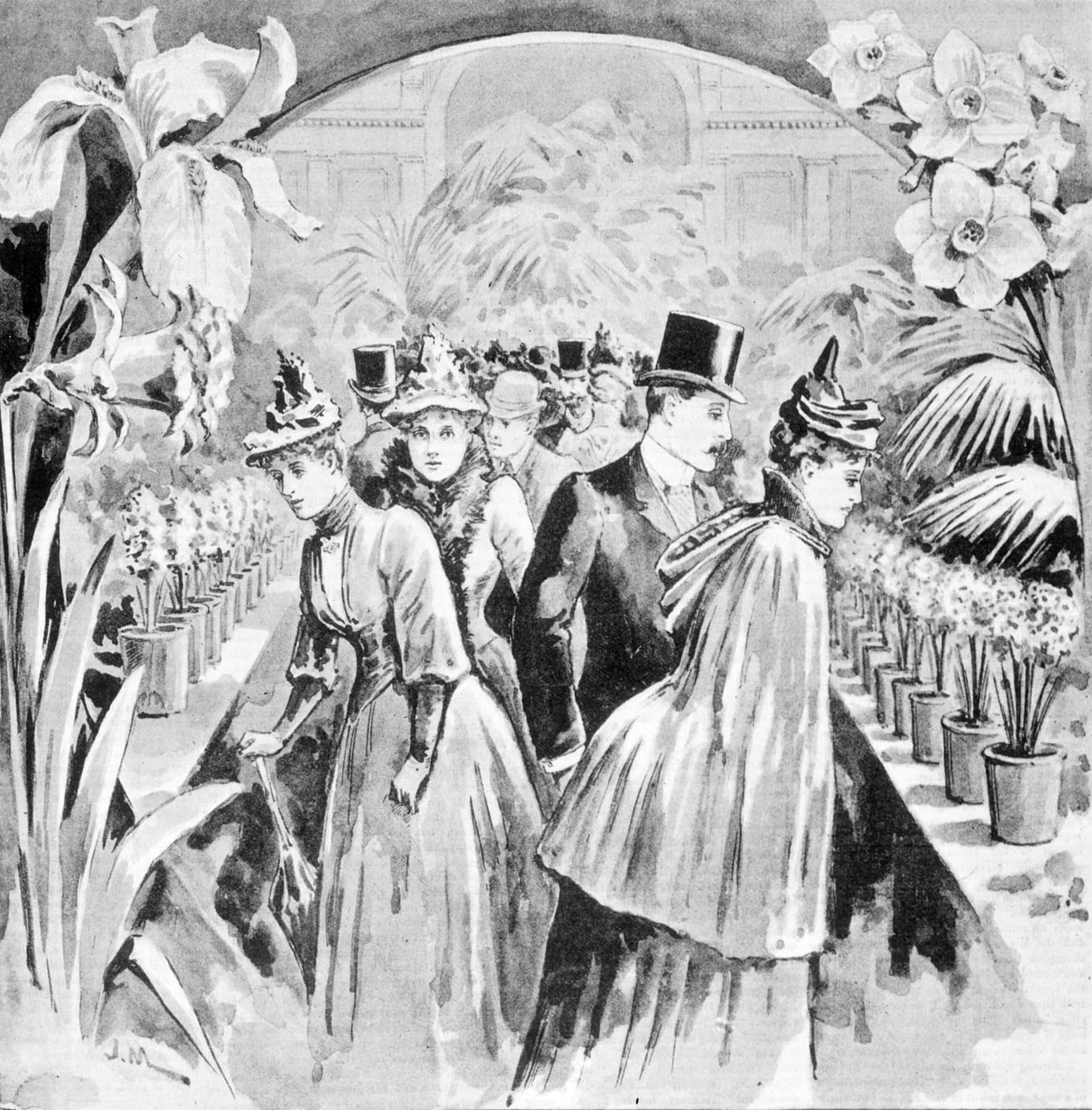
The new hall was constructed on the ground floor, and the front entrance was renovated. The hall was a grand space, measuring nearly 30 metres in length and 15 metres in width, with a ceiling height of 12 metres. Such was the excitement at the newly-expanded institution it was described in the Argus newspaper as having “undergone a developmental change almost as great as that of the grub into the butterfly.” The hall was an instant success and hosted an eclectic mix of events including flower shows, smoke nights, musicals, dances, concerts, plays, art exhibitions, boxing matches and billiard championships. Read about the variety of activities that have taken place at the Melbourne Athenaeum here.
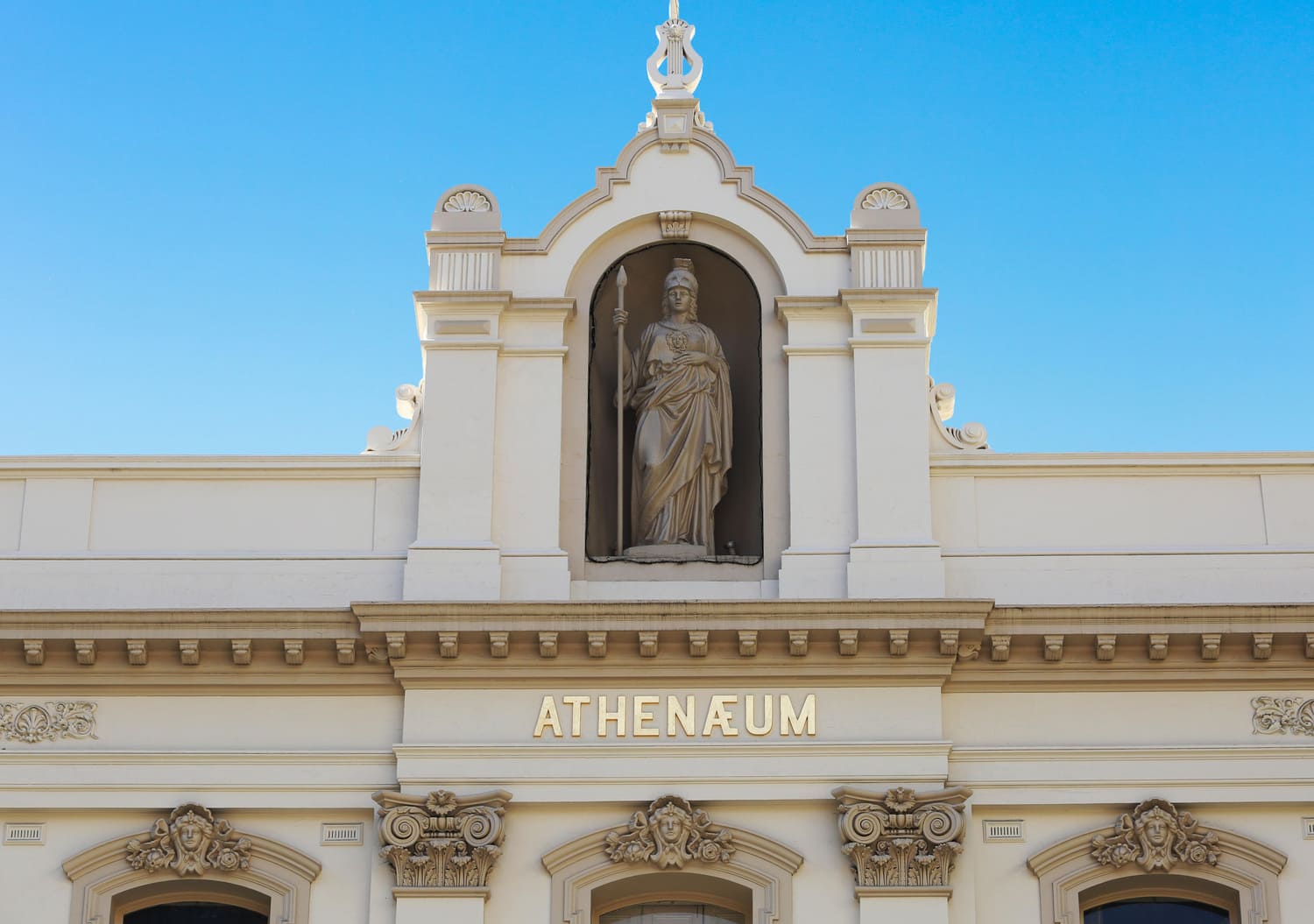
In the following year, the Melbourne Mechanics’ Institute changed its name to the Melbourne Athenaeum and in 1887 the statue of Athena, the Greek Goddess of Wisdom and Crafts, was installed in a niche at the top of the building. Athena presides over the building to this day.
In this decade, the front of the building was demolished and reconstructed with a new façade, and it came to be the three-storey building it is today. On the first floor was the library, reading room and cloak rooms and on the second floor was a small lecture hall equipped with a stage. This space was renovated in 1910 and reopened as the Athenaeum Art Gallery, which was operational for over 60 years.
In the early 1920s the Athenaeum underwent major renovations when the existing hall was transformed into a three-level theatre. Renowned theatre architect Henry White designed the theatre which sits within the walls of the old hall. The new theatre opened in 1924.
The electric passenger lift, linking the three storeys of the building and providing access to the reading room and art gallery was installed in 1930. The construction of the lift shaft along with the installation of the lift and lift machinery was completed in six months. The lift is still operational today. It is one of only two of its vintage in Melbourne. With its decorative interior containing arched panels of wood inlay, original polished metal signs and elegant dome light it is loved by many Athenaeum patrons.

In 1936, alterations were made to the main entrance, which involved opening out the front of the building to create a “crush” entrance where audiences could congregate and installing new doors.
Since then, the building’s exterior has changed very little over the years. In 1980 the building was added to the Register of the National Estate and in 1981 it was recognised in the state’s Register of Historic Buildings.
Today the building houses two theatres, Melbourne’s first subscription library, a restaurant and a retail outlet.
For a more detailed history of the development and evolution of the Melbourne Athenaeum click here.